
Industries
Every industry depends on nature
Each guide combines real screening data from the SBTN Materiality Screening Tool with an overview of typical hotspots and the frameworks to prioritise.
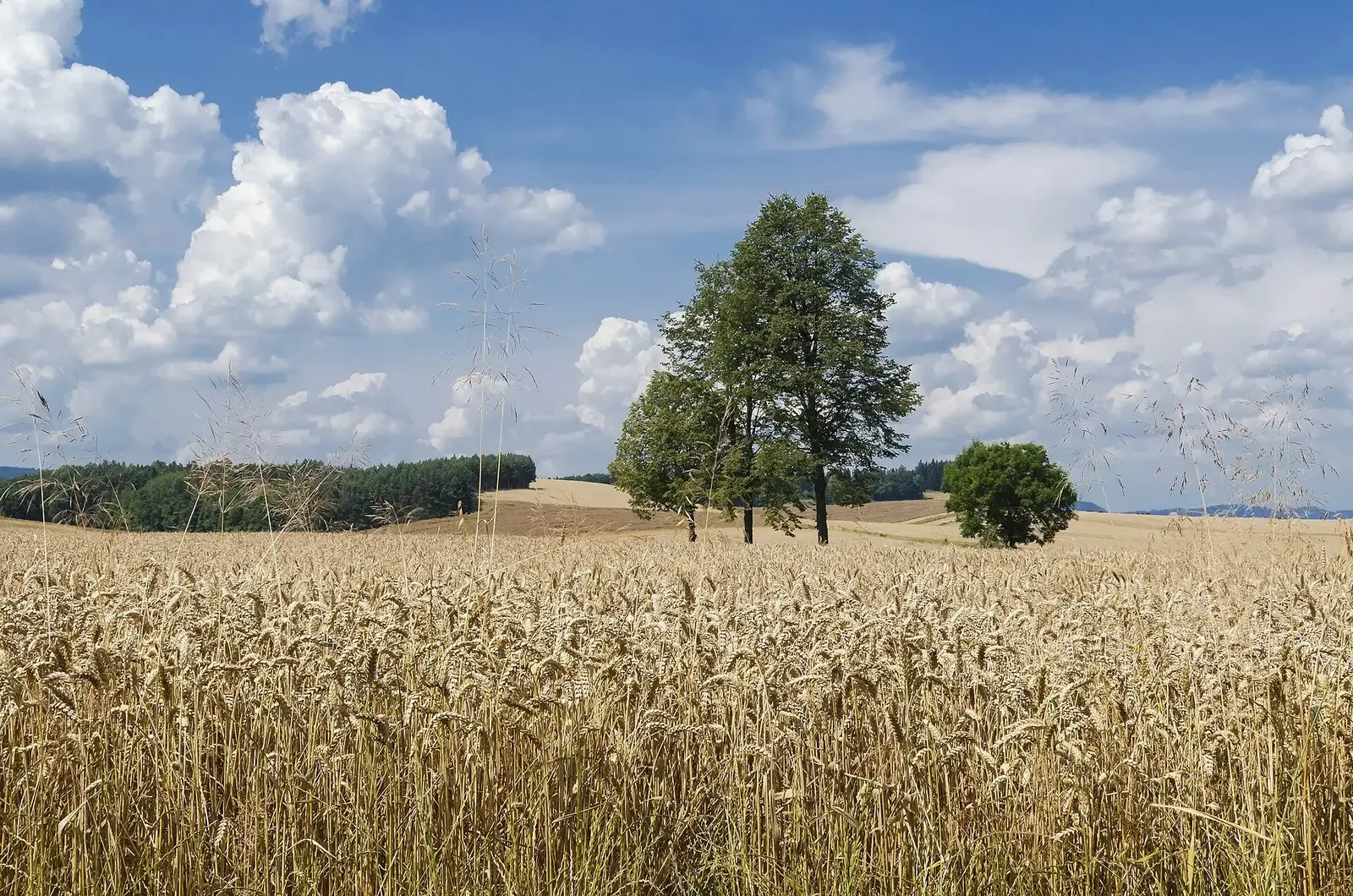
Food & agriculture
Agriculture is the largest driver of land-use change and a major source of nutrient pollution, and it depends directly on soil, water and pollinators.
Learn more
Forest products & paper
Forest-based industries depend on healthy, productive forests, and how forests are managed shapes habitats for countless species.
Learn more
Apparel & textiles
From cotton fields to dye houses, the textile value chain uses large amounts of land, water and chemicals, much of it far upstream.
Learn more
Construction & real estate
Buildings and infrastructure permanently change land. Materials such as cement, steel, sand and timber carry their own nature footprint.
Learn more
Mining & metals
Extractive activities register material pressures across almost every pressure category in the SBTN screening data.
Learn more
Energy & utilities
The energy transition is essential for nature, but renewable infrastructure also needs land, water and careful siting.
Learn more
Financial institutions
For financial institutions, the material nature footprint sits in the portfolio: the companies and projects they finance, insure and invest in.
Learn more
Consumer goods & retail
Retailers and brands sit at the end of long value chains. Most of their nature footprint lies upstream, in the products they sell.
Learn more
About the data
Statistics on each page are calculated from the public SBTN Materiality Screening Tool v1 dataset (UNEP-WCMC, BCG and SBTN, May 2023). They show sector-level potential materiality for direct operations, not company-specific results. See limitations.
Get in touch
See what nature intelligence can do for your reporting
Tell us about your company, your reporting obligations and where you are on your nature journey. We will get back to you by email.